Glitter in the Grouting: Eight Complaints That Quietly Rewrote Our Design Rules
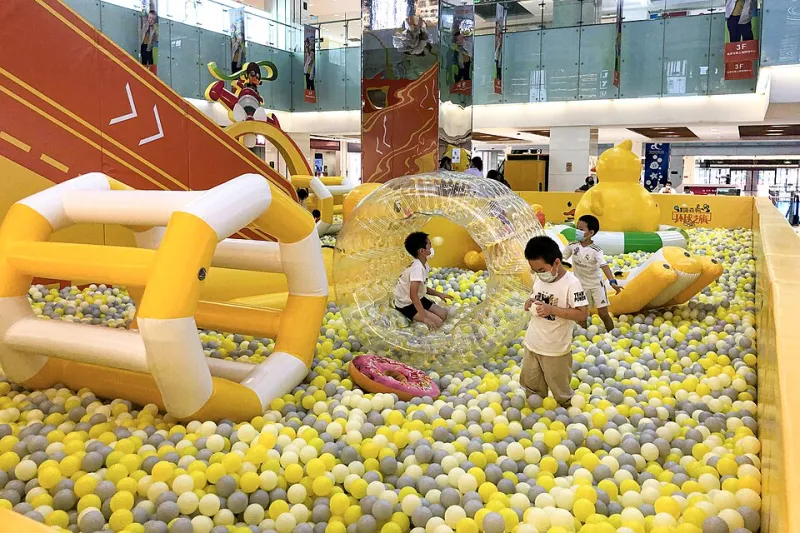
Photo: N509FZ, CC BY-SA 4.0, via Wikimedia Commons
There's a folder on our shared drive called 'The Grumbles'. It started as a joke — somewhere to park the one-star reviews and the politely furious emails — and it's become the most-read document in the company. Every new build starts with someone reading it aloud in the studio, usually doing voices.
Not because we enjoy being told off. Because complaints, unlike compliments, come with diagnostics attached. A five-star review tells you someone had a nice afternoon. A complaint tells you exactly where the afternoon went wrong.
So here are eight of the best, reproduced with the complainants' blessing (or at least their anonymity), and what each one actually fixed.
1. "There was too much glitter. The glitter is still in my house."
A mother from Sheffield, three weeks after a festive pop-up in a disallowed shopping centre unit. Her tone was less anger, more trauma. We'd gone heavy on the sparkle that year — roughly four kilos of the stuff across one installation.
What it taught us: mess has a half-life, and the person cleaning it up is rarely the person who enjoyed making it. We now design every session with a 'clean-down test' — if our own crew groans at the thought of packing it away, families will too. Glitter is now rationed like contraband.
2. "The queue moved like a funeral procession."
A father in Bristol, timed our entry line at forty minutes with two under-fives in tow. He wasn't wrong. We'd built a brilliant experience behind a bottleneck.
What it taught us: the queue is part of the design, not the bit before the design. We now prototype the entry flow before we prototype anything else. Zigzag barriers, staggered slots, and something to do while you wait — a chalk wall, a guessing game — because bored children in a queue are a public health issue.
3. "My son uses a wheelchair and he could reach about a third of it."
The most important email we've ever received, and honestly the hardest to read. We'd thought about ramps. We hadn't thought about reach.
What it taught us: accessibility isn't an add-on you bolt on after the build; it's the build. Every element now gets tested at seated height, and we audit the whole layout against the principle that a child who can't stand shouldn't get a worse version of the fun.
4. "It said 'all ages'. It did not mean my age."
A grandmother from Leeds who came with grandchildren and spent ninety minutes hovering at the edges. Our ball pits, it turned out, had a weight culture — and adults had absorbed the message they weren't welcome in them.
What it taught us: if you want mixed-age play, you have to say so out loud, in signage, repeatedly. We added 'Grown-ups: yes, you too' to every entrance. Attendance by adults went up noticeably. So did the laughter.
5. "There was nowhere to sit down. Anywhere. I counted."
A pregnant visitor in Cardiff, who had counted, and the answer was zero.
What it taught us: seating is not the boring bit. Tired parents are the ones booking the sessions and writing the reviews. Every layout now includes proper benches at sightlines to the play, not banished to a corridor.
6. "My daughter spent forty minutes on one activity and we missed everything else."
A complaint that stung because the session was, in her words, 'lovely'. Our timings were built around an average child moving at average speed. Children do not move at average speed.
What it taught us: pacing is a design problem. We now build in natural exits between zones and run longer sessions than we think we need, so nobody feels herded.
7. "It finished and nobody told us what happens next."
A vague one, but a fair one. Families left a great session with no idea when we'd be back, where, or how to book.
What it taught us: the last five minutes matter as much as the first. Every exit now has a 'what's next' board and a QR code, and our repeat booking rate roughly doubled once we stopped relying on people remembering our name.
8. "Lovely, but the man on the door seemed frightened of us."
Our favourite. A gentle nudge about a crew member — keen, capable, but so terrified of saying the wrong thing to families that he'd gone monosyllabic.
What it taught us: staff training needs to cover people skills as thoroughly as safety skills. British manners mean most people won't complain to your face; they'll save it for the folder. Better to build a culture where the crew can chat, joke and admit when something's gone wrong in the moment.
Keep your own folder
We'd recommend this to anyone running pop-ups, events, or frankly any business at all. The Grumbles isn't a wall of shame — it's the cheapest consultancy we've ever hired. Every complaint on that list cost us one afternoon's goodwill and bought us a permanent design improvement.
That's a trade we'd make every time. Preferably with less glitter.